 Bins-USA™
 The Pick and Pack Process Explained: A Complete Guide for Ecommerce Sellers
The pick and pack process is the heartbeat of your warehouse — and when it breaks down, late shipments, mispicks, and angry customers follow. Here's exactly how it works, where it goes wrong, and how to fix it.
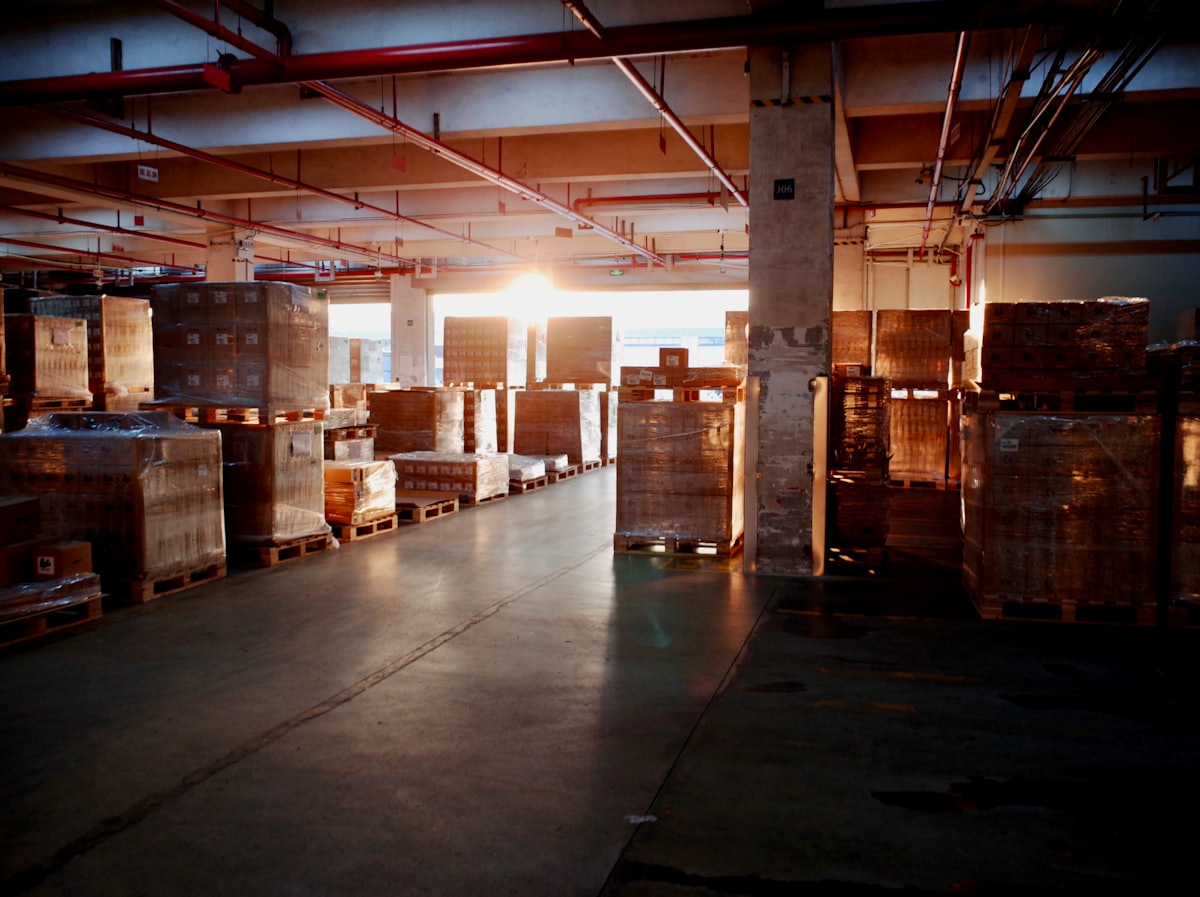
What Is the Pick and Pack Process?
The pick and pack process is the sequence of warehouse operations that starts the moment an order is placed and ends when a sealed, labeled parcel leaves your facility. It has two core stages:
- Picking: A warehouse worker (or robot) locates each item in the order and retrieves it from its storage bin or shelf.
- Packing: Those items are verified, wrapped in appropriate materials, placed in a box or mailer, and sealed with a shipping label.
Simple in theory — but in a multi-channel ecommerce operation selling on Shopify, Amazon, Faire, eBay, and Walmart simultaneously, the complexity multiplies fast. A single poorly organized pick run can create a cascade of delays that affects hundreds of orders.
The Four Main Picking Methods
Choosing the right picking strategy for your volume and SKU count is the single biggest lever you can pull on fulfillment speed.
Single-Order Picking
One picker completes one order at a time from start to finish. It's the easiest to manage and has the lowest error rate, but it generates enormous walk time and doesn't scale beyond roughly 30–50 orders per day per picker.
Batch Picking
A picker collects items for multiple orders in a single warehouse walk, sorting them into separate totes as they go. Batch picking can cut travel time by 40–60% compared with single-order picking, making it the most popular method for growing ecommerce sellers.
Zone Picking
The warehouse is divided into zones, each owned by a dedicated picker. Orders travel between zones (physically or digitally) until all items are gathered. Zone picking works best in large warehouses with thousands of SKUs but adds coordination complexity.
Wave Picking
Orders are released in scheduled "waves" aligned with carrier pickup windows. Each wave can combine batch or zone picking. Wave picking keeps shipping deadlines tight but requires solid WMS scheduling logic to execute without chaos.
Step-by-Step: How a Well-Run Pick and Pack Flow Works
- Order sync: A new order arrives from any sales channel and appears instantly in the WMS pick queue — no manual importing.
- Pick list generation: The WMS groups items by bin location and optimizes the picker's walking route through the warehouse.
- Directed picking: The picker receives a task on a handheld device or printed sheet showing bin number, SKU, and quantity. They scan the bin barcode to confirm the correct location.
- Item scan & deduction: Scanning the item barcode immediately deducts one unit from on-hand inventory — before the item ever reaches the pack station. This is critical for preventing overselling on other channels.
- Pack station verification: A packer scans each item against the order manifest. Any discrepancy triggers an alert before the box is sealed.
- Label print & ship: The correct shipping label — pre-rated against carrier rules — prints automatically. The order status updates across every connected storefront in real time.
Notice that step 4 — deducting stock at pick time, not at ship time — is what separates a professional WMS from a basic spreadsheet. If you wait until the label is printed to reduce inventory, another channel can sell that same unit in the gap. For a deeper look at this problem, see our guide on how to stop overselling on Shopify.
Common Pick and Pack Mistakes (and How to Avoid Them)
- Unlabeled or mislabeled bins: Pickers default to memory when bin labels are missing — and memory fails. Every storage location needs a scannable barcode label tied to the WMS.
- No pick-path optimization: Sending pickers on random routes through the warehouse is the fastest way to burn labor hours. Even a simple A→Z bin-sequence rule cuts walk time dramatically.
- Updating inventory only at shipment: This leaves a window — sometimes hours — during which any connected channel can oversell stock you've already physically picked. Deduct at pick time, always.
- Manual order consolidation across channels: Copy-pasting orders from Faire into a spreadsheet and then into a pick list introduces transcription errors at every step. A unified WMS that pulls all channels into one queue eliminates this entirely. See also: multichannel inventory management best practices.
- No pack verification step: Skipping the scan-to-verify step at the pack station turns every mispick into a customer complaint. A 30-second scan saves a $15 return shipment and a negative review.
Key Metrics to Track for Pick and Pack Performance
You can't improve what you don't measure. These are the four numbers every fulfillment team should review weekly:
- Pick accuracy rate: The percentage of order lines picked without error. Best-in-class operations target 99.9% or higher. Below 99% is a red flag.
- Units picked per labor hour (UPPH): Your primary productivity benchmark. Track it per picker and per picking method to identify bottlenecks.
- Order cycle time: The elapsed time from order received to label printed. For most ecommerce sellers, a same-day cut-off target means this needs to stay under two hours for standard orders.
- Cost per order fulfilled: Total fulfillment labor + materials ÷ orders shipped. Reducing this without sacrificing accuracy is the core goal of process improvement.
How WMS Software Transforms the Pick and Pack Process
A cloud-based Warehouse Management System (WMS) automates the logic-heavy parts of pick and pack — routing, batching, inventory deduction, and label generation — so your team focuses on physical execution, not decision-making. For sellers running multiple storefronts, the single biggest benefit is a unified inventory count that every channel reads from simultaneously.
When a WMS deducts stock at the moment of pick scan, the available quantity on Shopify, Amazon, Faire, eBay, and Walmart all drop in unison. There's no window for a second buyer to grab a unit that's already in a picker's tote. Combined with bin-directed pick paths and mandatory pack verification, a WMS typically reduces mispick rates by 60–80% and cuts average order cycle time in half within the first 90 days of use.
For sellers who built their warehouse process on gut instinct and sticky notes, the jump to a WMS can feel daunting — but modern cloud systems are designed to match how real sellers actually work, not how a logistics textbook says they should.
Ready to Streamline Your Pick and Pack Operation?
Bins-USA is a bilingual cloud WMS built by a real Shopify and Faire seller who lived through every pick-and-pack headache described above. It syncs inventory across all your channels, deducts stock the moment an item is scanned at pick time, and guides your team with bin-directed tasks — in both English and Spanish. Start your free trial today and ship more orders with fewer errors, starting tomorrow.
Start free → See all integrationsFrequently asked questions
- What is the difference between pick and pack and fulfillment?
- Pick and pack refers specifically to the warehouse steps of retrieving items and preparing them for shipment. Fulfillment is the broader process that includes receiving inventory, storage, pick and pack, shipping, and returns handling. Pick and pack is the most labor-intensive part of fulfillment and the stage where most errors occur.
- When should I deduct inventory during the pick and pack process?
- Inventory should be deducted at pick time — the moment a picker scans an item from its bin — not at shipment. Deducting only at ship time leaves a gap that can last minutes or hours, during which another sales channel can sell a unit that is already physically reserved. Deducting at pick time eliminates that window entirely and is one of the most effective ways to prevent overselling across multiple channels.
- How do I choose the right picking method for my warehouse?
- Start with single-order picking if you ship fewer than 30–50 orders per day and have a small SKU count. Move to batch picking when order volume grows and walk time becomes your main bottleneck — it suits most small-to-mid-size ecommerce operations. Zone picking makes sense only when your warehouse is large enough that no single picker can efficiently cover the whole floor. Wave picking is best added on top of batch or zone picking once you need to align pick runs with specific carrier cutoff windows.
- What is a good pick accuracy rate for an ecommerce warehouse?
- Best-in-class ecommerce warehouses achieve a pick accuracy rate of 99.9% or higher, meaning fewer than one error per 1,000 order lines. A rate below 99% — more than one error per 100 lines — significantly increases return shipping costs, customer service load, and negative reviews. Mandatory barcode scanning at both pick and pack stages is the fastest way to push accuracy above 99.5%.
- Can a small business benefit from a WMS for pick and pack?
- Yes — in fact, small sellers often see the biggest relative gains. When you're fulfilling 50–200 orders per day without a WMS, a single mispick or oversell event can consume hours of manual correction time. A cloud WMS like Bins-USA is priced for growing businesses, requires no on-premise hardware, and can be set up in days. The reduction in errors and the time saved on manual data entry typically pays for the subscription cost within the first month.